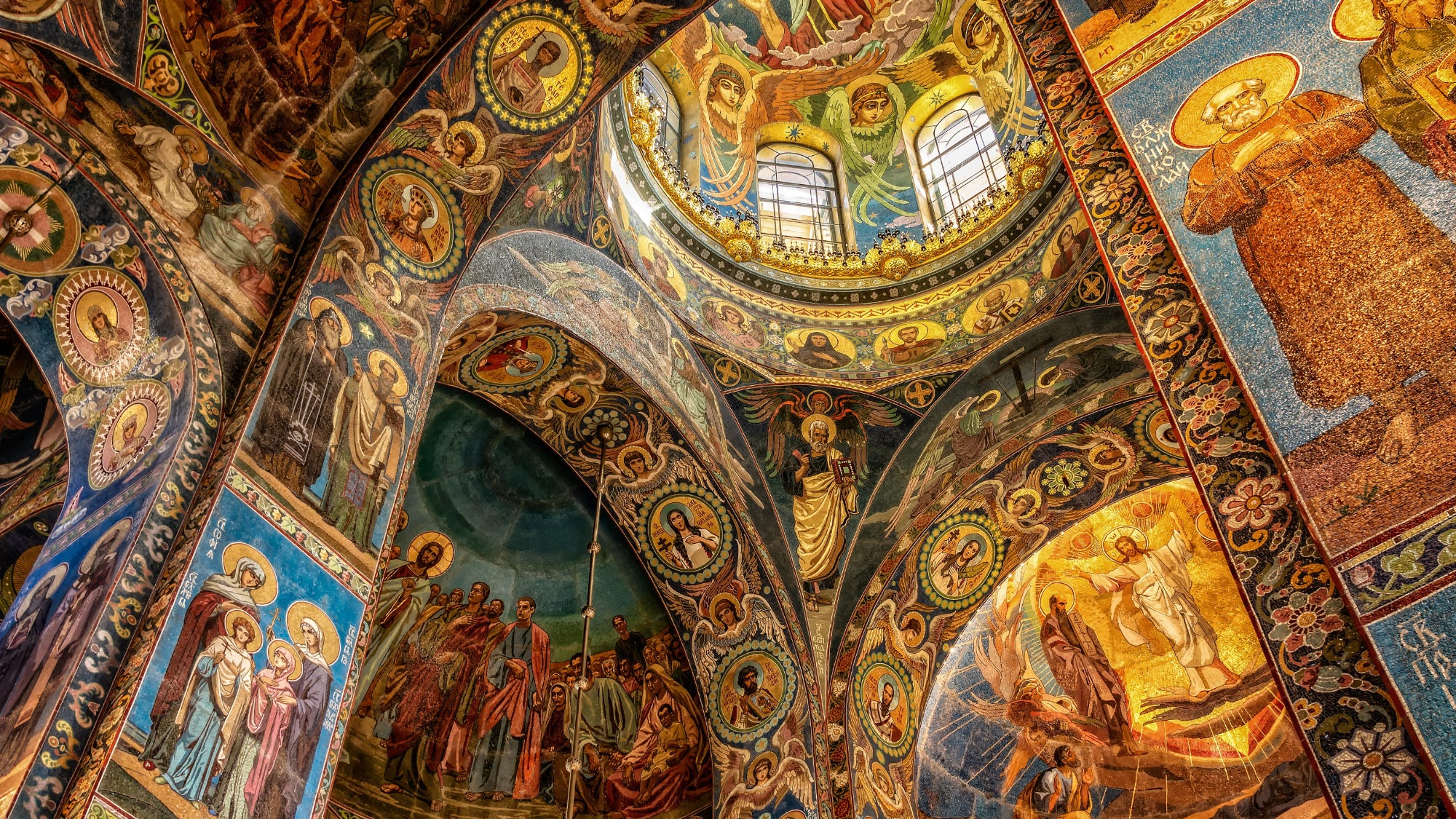
The Orthodox Church is the second-largest church in the world. There are around 230 million baptized Orthodox Christians; with many Orthodox Christians living in Eastern Europe. There is no central authority, such as the Pope. Although, the Patriarch of Constantinople is considered primus inter pares or “first among equals.’ A title which Catholicism gives to the Pope.
The Orthodox Church views both Sacred Scripture and Holy Tradition as authoritative. And the Orthodox Church can trace its bishops back to the Apostles. The Orthodox Church also has seven sacraments, believes in the Real Presence of the Eucharist, and venerates Mary as Theotokos. Which is Greek and means “God-bearer” or “Mother of God.”
Until the Great Schism of 1054, which was based on both political and theological issues, the Orthodox Church was one with the Catholic Church. Many of the Eastern Church Fathers are venerated both by the Orthodox Church and the Catholic Church.
Many Catholics do not know how similar the Orthodox Church is to the Catholic Church. Vatican II teaches about that relationship. One of the Council documents Unitatis Redintegratio, or the Decree on Ecumenism, has a section specifically about the Orthodox Church.
“The Churches of the East have had a treasury from which the Western Church has drawn extensively — in liturgical practice, spiritual tradition, and law.” The document also acknowledges that “it was the ecumenical councils held in the East that defined the basic dogmas of the Christian faith, on the Trinity, on the Word of God Who took flesh of the Virgin Mary.”
And that section, The Special Consideration of the Eastern Churches, continues: “These [Orthodox] Churches, although separated from us, possess true sacraments, above all by apostolic succession, the priesthood and the Eucharist, whereby they are linked with us in closest intimacy.” The Council Fathers even say that “some worship in common (communicatio in sacris), given suitable circumstances and the approval of Church authority, is not only possible but to be encouraged.”
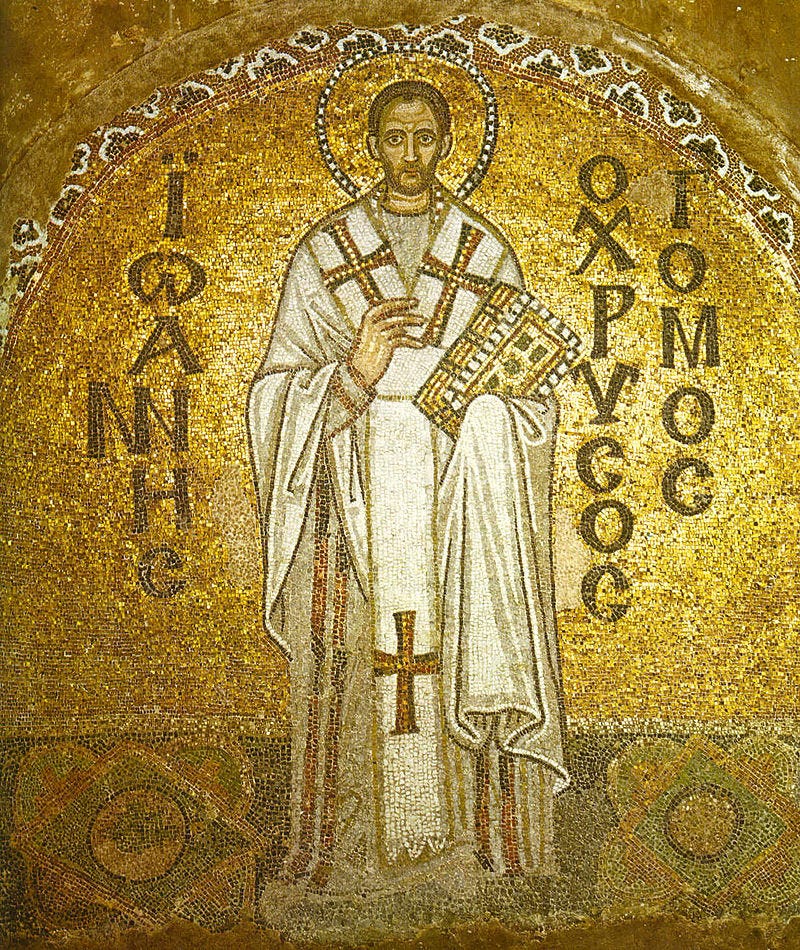
The Orthodox Church uses the liturgy of Saint John Chrysostom and allows for married clergy. So Vatican II notes how “from the earliest times the Eastern Churches followed their own forms of ecclesiastical law and custom, which were sanctioned by the approval of the Fathers of the Church, of synods, and even of ecumenical councils.”
The different Church customs could be a barrier to reunification, but Vatican II says that to remove “all shadow of doubt, this holy Council solemnly declares that the Churches of the East, while remembering the necessary unity of the whole Church, have the power to govern themselves according to the disciplines proper to them, since these are better suited to the character of their faithful, and more for the good of their souls.”
Section 17 of the document recommends a more universal view of the Church: “In the study of revelation East and West have followed different methods, and have developed differently their understanding and confession of God's truth.
“It is hardly surprising, then, if from time to time one tradition has come nearer to a full appreciation of some aspects of a mystery of revelation than the other, or has expressed it to better advantage.
“In such cases, these various theological expressions are to be considered often as mutually complementary rather than conflicting … Thus they promote the right ordering of Christian life and, indeed, pave the way to a full vision of Christian truth. All this heritage of spirituality and liturgy, of discipline and theology, in its various traditions, this holy synod declares to belong to the full Catholic and apostolic character of the Church.”
In general, the Catholic Church would like to see the Orthodox Church more fully recognize the Primacy of Peter. Meaning, that the Catholic Church would like the Orthodox Church to enter again into full communion with the Bishop of Rome, the Pope. Still, Vatican II repeats what has come before from the Catholic Church — “for the restoration or the maintenance of unity and communion it is necessary ‘to impose no burden beyond what is essential.’”
Which could look like the Orthodox Church recognizing the Pope, but not having the West impose customs on the East. Whether those customs are about liturgy, clergy, or even some theological issues. It could be a situation similar to the Eastern Catholic Churches; such as the Ukrainian (Greek) Catholic Church, which maintains the Eastern Rite but is in full communion with the Pope.
Perhaps as a necessity before the End of the Age — as Orthodox thinker Jonathan Pageau notes, while talking about the Papacy with Catholic Bishop Robert Barron — we will see the reunification of the Catholic Church with the ‘separated brethren’ of the Orthodox Church.
“The [Vatican II] Council hopes that the barrier dividing the Eastern Church and Western Church will be removed, and that at last there may be but the one dwelling, firmly established on Christ Jesus, the cornerstone, who will make both one.”
Dan Sherven is the author of four books, including the number one bestseller Classified: Off the Beat ‘N Path and Uncreated Light. Sherven is also an award-winning journalist, writing for several publications. Find Sherven’s work.